Aviation Switching Module – NSN 4920-01-250-2696 (AS-IS / Untested): Aircraft Switching Equipment for Parts or Evaluation
Aviation Switching Module – NSN 4920-01-250-2696 (AS-IS / Untested): Aircraft Switching Equipment for Parts or Evaluation
Blog Article
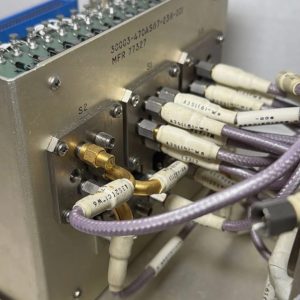
The Aviation Switching Module – NSN 4920-01-250-2696 (AS-IS / Untested) should be purchased with the understanding that no operational, calibration, serviceability, compatibility, or installation guarantee is being made.
An Aircraft Switching Module and Aerospace Switching Module should be treated as specialized equipment rather than universal components that can be connected to any aircraft electrical system.
Every Aircraft Power Switching Module or Aircraft Signal Switching Module should be assessed individually because connectors, voltage, current, control logic, and system compatibility can vary significantly.
The Aviation Control Module may be associated with a larger Aircraft Electronic Switching System, while the Aerospace Switching Unit and Aircraft Electrical Module should be inspected before connection or installation.
Understanding NSN 4920-01-250-2696
The seller should provide clear photographs of every label, marking, connector, switch, control, mounting point, enclosure surface, and included accessory.
Complete identification increases the value of the Aviation Switching Module for restoration, research, inventory management, or component evaluation.
Buying an Untested Aviation Module
AS-IS and untested means the module is offered without confirmation that it powers on, switches circuits, communicates with associated equipment, meets specifications, or performs its original function.
Bench testing should begin only after technical documentation, circuit protection, connector identification, and safe power requirements are established.
Evaluating Aircraft Switching Functions
A module used with maintenance equipment may function differently from one installed onboard an aircraft.
Each visible feature should be photographed and described without assuming its electrical purpose.
Inspecting Aerospace Electrical Hardware
The enclosure should be inspected for dents, cracks, corrosion, missing screws, altered holes, broken seals, and unauthorized repairs.
Unknown connectors should not be forced into visually similar plugs.
Aircraft Electrical Hardware Review
A qualified technician should determine whether additional internal inspection is justified.
If the enclosure is opened for professional inspection, the process should be documented with photographs and organized hardware control.
Aircraft Electrical Control Applications
An Aviation Electrical Control Module can coordinate or select electrical functions within a compatible aviation or support-equipment system, depending on its documented design.
Missing labels or faded markings can make operation difficult and may increase the risk of improper testing.
Aviation Power Circuit Management
Current capacity, voltage, duty cycle, contact type, protection requirements, and load characteristics should be confirmed before testing.
Missing covers or barriers may expose conductive points and increase handling risk.
Electrical Control Unit Restoration
An Aerospace Electrical Control Unit may combine switching, control, indication, interface, or distribution functions within one enclosed assembly.
Every repair should be photographed and recorded if the module is restored.
Aircraft Signal Switching Module Uses
The pinout and signal type should be confirmed before continuity or injection testing.
Missing or corroded bonding components may affect noise, interference, or reliability.
Aviation Control Module Applications
A module removed from its original system can be difficult to test without supporting equipment and documentation.
Inspection tags, modification plates, repair labels, and revision marks can provide important information.
Aircraft Test and Support Equipment
Its value depends on identity, completeness, cosmetic condition, connector integrity, internal status, rarity, and availability of documentation.
Responsible educational use can extend the value of the Aircraft Switching Unit.
Aerospace Power Distribution Module Considerations
Professional evaluation helps determine whether the unit serves a power-distribution role or another specialized function.
The original installation orientation should be researched where possible.
Maintaining Legacy Aviation Control Equipment
The unit should be photographed before and after any preservation work.
Testing results should identify exactly which switches, contacts, indicators, or circuits were evaluated.
Choosing an Aviation Power Control Module
The NSN’s federal supply classification may provide useful context, but the exact role should still be researched through item-specific records.
The equipment should remain disconnected and protected during storage.
Aircraft Electronic Switching System Integration
An Aircraft Electronic Switching System may consist of multiple modules, harnesses, control panels, relays, indicators, power sources, and associated equipment.
A replacement AS-IS unit may provide useful comparative parts but should not be installed without evaluation.
Shipping Aviation Electrical Modules
The Aerospace Switching Unit should be stored in a clean, dry, stable environment protected from moisture, dust, chemicals, impact, pests, and extreme temperature changes.
Original packaging should receive additional protection rather than being used as the only shipping container.
Buying AS-IS Aviation Electronics
A buyer seeking an operational replacement has different needs from a collector, technical school, parts dealer, or restoration specialist.
The seller should explain whether the unit has been powered, opened, repaired, modified, tested, or removed from known equipment.
Inspecting the Aviation Switching Module Before Purchase
A detailed review reduces misunderstanding and supports realistic purchasing decisions.
- Determine whether cables, plugs, manuals, test leads, mounting hardware, storage cases, or companion components are included.
- Arrange qualified technical evaluation whenever condition, internal status, or testing requirements remain uncertain.
- Retain purchase records, photographs, labels, research, testing notes, and repair documentation with the module.
Evaluating an Untested Electrical Module
The module should not be powered until input requirements, polarity, grounding, circuit protection, and expected get more info loads are understood.
Initial evaluation may include mechanical switch checks, continuity testing, insulation inspection, resistance measurements, and examination for shorts or damaged components.
Aerospace Module Component Replacement
Professional restoration can improve the usability and value of the Aerospace Switching Module.
A repaired module may still require system-level testing or additional qualification before installation.
Choosing the Aviation Switching Module – NSN 4920-01-250-2696 (AS-IS / Untested)
The Aviation Switching Module – NSN 4920-01-250-2696 (AS-IS / Untested) can provide restoration, research, parts, training, collection, or professional evaluation value when its identity and condition are understood clearly.
Buyers should request detailed photographs, accurate AS-IS disclosures, technical research, secure transaction terms, protective shipping, and qualified evaluation where appropriate.
Whether the item is purchased for restoration, training, parts recovery, display, testing, inventory, or professional repair, transparent information and controlled handling provide the strongest foundation.
With prompt attention to switches, connectors, wiring, enclosure condition, corrosion, labels, and internal components, the module can preserve its technical and commercial potential.
Report this page